


Why Employees Leave Managers, Not Companies
Employees rarely resign because of one difficult day. More often, they leave after experiencing a repeated pattern of poor leadership.
A competitive salary, respected brand and attractive benefits may bring talented people into an organization, but their relationship with their manager often determines whether they stay.
The Manager Shapes the Employee Experience
Managers influence the everyday reality of work. They determine how priorities are communicated, how mistakes are handled, whether good performance is recognized and whether employees feel trusted to take initiative. When leadership is unclear, overly controlling or emotionally disconnected, motivation gradually turns into frustration.Poor Communication Creates Disengagement
Employees need more than instructions. They need context, constructive feedback and the confidence that their concerns will be heard. Managers who avoid difficult conversations allow small problems to become resentment. Those who communicate only when something goes wrong create anxiety rather than development. Strong managers communicate expectations clearly, listen actively and address concerns before they damage trust.Micromanagement Destroys Trust
When employees are given responsibility without genuine authority, they feel controlled rather than empowered. Effective managers set clear expectations, delegate with purpose and remain available without interfering unnecessarily. Trust gives employees the confidence to make decisions, solve problems and take ownership of results.Fairness and Recognition Matter
Employees pay close attention to how decisions are made. Inconsistent standards, favouritism and a lack of recognition quickly weaken engagement. People are more likely to remain committed when their contribution is valued and leadership decisions feel transparent and fair.Technical Expertise Is Not Leadership
One of the biggest organizational mistakes is assuming that high performance automatically creates leadership capability. Many professionals are promoted because they are technically strong, yet receive little preparation for managing people, emotions, conflict and change. Leadership is a skill set. It must be developed deliberately.Develop Managers People Want to Work With
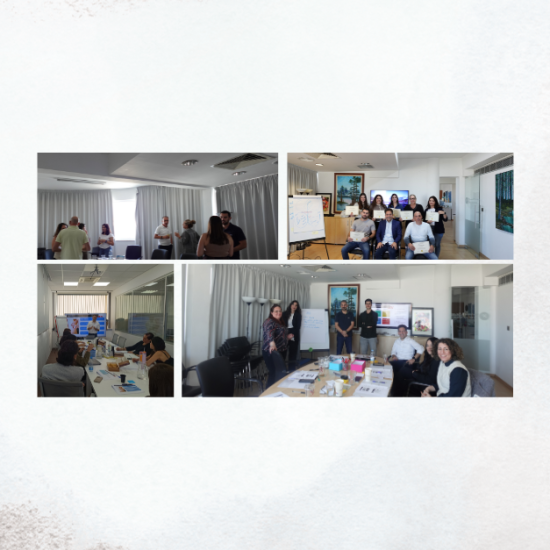
The RISE® Accelerated Management Program is an HRDA-funded development programme designed for middle managers, supervisors and team leaders. Through practical training in emotional intelligence, communication, delegation, coaching, problem-solving and relationship management, participants develop the skills required to lead with greater clarity, confidence and impact.Invest in better managers before your best employees decide to leave them.Discover the RISE® Accelerated Management Program and take the next step towards stronger leadership and more engaged teams.